
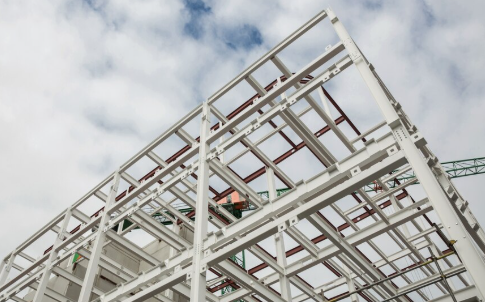
Constructing a new commercial, industrial, or storage facility is a significant milestone that requires careful planning, robust materials, and a strong return on investment.
As construction technologies advance, traditional wood and masonry framing are increasingly being replaced by engineered steel solutions. Today, versatile metal buildings have become the preferred choice for business owners, developers, and agricultural operators worldwide.
Offering unmatched durability, rapid construction timelines, and exceptional energy efficiency, these structures provide a wide array of long-term advantages. Below are six major benefits of investing in a structural metal facility for your next project.
1. Exceptional Durability and Extreme Weather Resistance
The primary advantage of any commercial or industrial structure is its ability to withstand harsh environmental conditions and physical wear.
Engineered metal buildings are crafted from high-grade structural steel designed to endure heavy winds, torrential rains, heavy snow loads, and seismic activity far better than conventional organic materials.
Unlike wood, steel frames do not warp, split, or rot over time, and they are completely immune to termites, carpenter ants, and other destructive wood-boring pests, ensuring maximum structural longevity.
2. Rapid Construction Timelines and Lower Labor Costs
Time is money in the business world, and prolonged construction projects can delay operations and inflate budgets. Prefabricated metal buildings are engineered and cut to precise specifications off-site before being delivered directly to the construction lot for assembly.
Because the major structural components arrive pre-punched, pre-welded, and ready to bolt together, the erection process is drastically accelerated.
This streamlined assembly requires fewer specialized crew members, resulting in substantially lower labor costs and an earlier move-in date for your enterprise.
3. Clear-Span Design and Unmatched Interior Flexibility
Traditional building methods often rely on interior load-bearing walls and columns to support the roof structure, which can severely limit your interior layout options.
In contrast, modern metal buildings utilize advanced clear-span framing capabilities that can span massive distances without requiring any interior support columns.
This wide-open interior space provides ultimate architectural flexibility, allowing facility managers to configure manufacturing lines, storage racks, office partitions, or recreational layouts however they see fit.
4. Superior Energy Efficiency and Thermal Performance
Energy consumption is a major ongoing expense for any building owner, making thermal regulation a top priority during the design phase. When equipped with high-performance fiberglass insulation, spray foam, or insulated metal panels, metal buildings offer exceptional climate control.
They effectively block extreme summer heat and retain interior warmth during freezing winter months. This robust thermal envelope reduces the strain on your HVAC systems, leading to significantly lower monthly utility bills and a smaller carbon footprint.
5. Low Ongoing Maintenance and Longevity
Property upkeep can consume a large portion of operating budgets when dealing with materials that require frequent painting, sealing, or pest treatments. High-grade metal buildings require very little routine maintenance to keep them looking and functioning like new.
Factory-applied exterior finishes resist fading, chipping, and rust, meaning you will not have to worry about repainting or structural repairs every few years. A simple periodic wash with water is usually all that is needed to maintain the pristine appearance of your exterior walls and roof panels.
6. Eco-Friendly Construction and Sustainable Materials
Environmental responsibility is increasingly important for modern commercial developments and corporate consumers.
Steel is one of the most recycled and recyclable materials on the planet, meaning that the framing components used in metal buildings often contain a high percentage of recycled content.
Furthermore, because components are precision-engineered off-site, material waste during the erection phase is kept to an absolute minimum, making metal construction an eco-conscious choice for sustainable growth.