
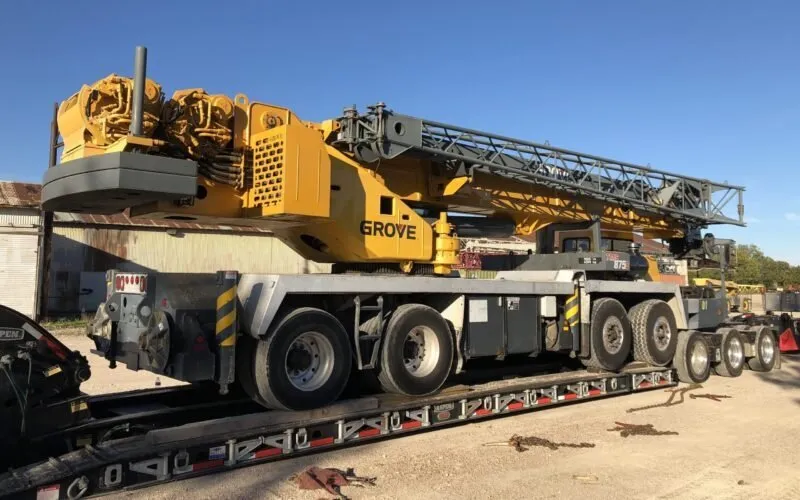
Wide load trucking services are a foundational part of modern logistics, enabling the safe and compliant movement of oversized cargo across highways, industrial zones, and construction corridors. Within the first 100 words, it is important to understand that wide load trucking services are specifically designed for freight that exceeds standard legal dimensions in width, height, or weight. These services ensure that heavy equipment such as industrial machines, prefabricated structures, and energy infrastructure components are transported securely while complying with strict transportation regulations. Leading logistics providers such as Heavylux specialize in delivering structured, safety-focused solutions that support complex freight movement across regional and national routes.
Understanding Wide Load Trucking Services in Modern Logistics
The growth of infrastructure development, renewable energy projects, and large-scale manufacturing has significantly increased the demand for wide load trucking services. Unlike standard freight transport, oversized hauling requires specialized planning, engineering awareness, and regulatory coordination.
Wide load trucking services are not simply about moving large objects from point A to point B. They involve a complete logistics framework that includes route planning, permit acquisition, escort coordination, and safety compliance.
Key components include:
- Dimensional analysis of cargo before transport
- Route feasibility studies based on road infrastructure
- Legal compliance with transport authorities
- Risk mitigation planning for urban and rural transit
These services are essential for maintaining supply chain continuity in industries that depend on heavy machinery and oversized equipment.
Importance of Wide Load Trucking Services for Industry Growth
The role of wide load trucking services extends beyond transportation. These services directly support industrial expansion and economic development by enabling large-scale projects to progress without logistical delays.
Industries that depend heavily on wide load transport include:
- Construction and infrastructure development
- Renewable energy (wind turbines, solar structures)
- Oil, gas, and mining operations
- Heavy machinery manufacturing
- Agricultural equipment distribution
Without reliable heavy haul logistics, many of these industries would face operational bottlenecks, increased costs, and project delays.
Efficient transport solutions ensure that critical equipment arrives on time and in optimal condition, which is essential for maintaining productivity in capital-intensive sectors.
Regulatory Compliance and Permit Management
One of the most complex aspects of wide load trucking services is regulatory compliance. Oversized freight is subject to strict transportation laws that vary across regions, states, and countries.
Failure to comply with these regulations can result in fines, delays, or even safety hazards on public roads.
Key compliance requirements include:
- Oversize load permits issued by transportation authorities
- Escort or pilot vehicle requirements for safety management
- Restricted travel hours in high-traffic urban areas
- Route limitations based on bridge weight capacity and clearance height
Professional logistics providers manage these requirements end-to-end, ensuring that every transport operation meets legal standards before dispatch.
Providers such as Heavylux integrate regulatory expertise into operational planning, reducing administrative burden while improving transport efficiency.
Safety Standards in Wide Load Trucking Services
Safety remains the most critical factor in wide load trucking services. Due to the size and weight of cargo, even minor errors in planning or execution can lead to significant risks.
To ensure safe transport, logistics specialists implement multiple layers of protection.
Core safety practices include:
- Pre-route inspections to identify obstacles such as low bridges or narrow roads
- Load securement systems designed for high-weight stability
- Use of escort vehicles for traffic coordination and public safety
- Driver certification for oversized freight handling
- Continuous communication systems for real-time monitoring
These safety measures reduce accident risks and ensure that cargo, drivers, and surrounding road users remain protected throughout the journey.
Technology Integration in Wide Load Trucking Services
Modern wide load trucking services rely heavily on advanced logistics technology to improve accuracy, safety, and efficiency. Digital transformation has significantly changed how oversized freight is managed.
Key technological advancements include:
- GPS-based real-time tracking systems
- AI-assisted route optimization tools
- Digital permit processing platforms
- Load simulation software for weight distribution analysis
- Predictive traffic and weather modeling
These technologies allow logistics planners to anticipate challenges before they occur, reducing delays and improving delivery precision.
Technology also enhances transparency for clients, allowing full visibility into shipment progress and route conditions.
Route Planning and Engineering Considerations
Route planning is one of the most critical phases in wide load trucking services. Unlike standard freight, oversized cargo cannot use all available roads due to structural and spatial limitations.
Transport specialists evaluate:
- Bridge load limits and structural integrity
- Road width and turning radius constraints
- Overhead clearance such as bridges and power lines
- Traffic density patterns during transit windows
Engineering assessments are often conducted before dispatch to ensure that the selected route can safely accommodate the load.
In some cases, temporary infrastructure modifications may be required, such as removing traffic signals or coordinating with utility companies.
Challenges in Wide Load Trucking Services
Despite technological and operational advancements, wide load trucking services still face several challenges.
Common challenges include:
- Weather disruptions affecting visibility and road safety
- Urban congestion limiting movement during peak hours
- Permit delays due to administrative processing
- Infrastructure limitations in rural or underdeveloped regions
- Coordination between multiple regulatory agencies
Overcoming these challenges requires experienced logistics planning, strong communication systems, and contingency route strategies.
Professional providers mitigate these risks through proactive scheduling and adaptive logistics frameworks.
Economic Impact of Wide Load Trucking Services
The economic contribution of wide load trucking services is significant. These services enable large infrastructure and industrial projects that drive economic growth and job creation.
Without reliable heavy haul logistics:
- Construction timelines would extend significantly
- Energy infrastructure deployment would slow down
- Manufacturing supply chains would face disruptions
- Costs for oversized freight handling would increase
Efficient transport solutions reduce downtime, optimize resource allocation, and improve overall project profitability.
Selecting a Reliable Wide Load Logistics Provider
Choosing the right provider for wide load trucking services is critical for ensuring safe and efficient transport operations. Not all logistics companies are equipped to handle oversized freight, making evaluation an essential step.
Key selection criteria include:
- Proven experience in heavy haul logistics
- Strong compliance record with transportation authorities
- Availability of specialized transport equipment
- Advanced tracking and communication systems
- Skilled drivers trained in oversized load handling
A reputable provider such as Heavylux offers integrated logistics solutions designed to handle complex freight requirements while maintaining strict safety and compliance standards.
Future Trends in Wide Load Trucking Services
The future of wide load trucking services is being shaped by automation, sustainability, and smart infrastructure development.
Emerging trends include:
- Increased use of electric and low-emission heavy transport vehicles
- Expansion of autonomous convoy technology
- Smarter infrastructure designed for oversized freight movement
- Greater reliance on AI-driven logistics planning
- Enhanced digital permit and compliance systems
These innovations are expected to improve efficiency, reduce environmental impact, and enhance overall safety in heavy haul operations.
Conclusion
Wide load trucking services remain a critical component of global logistics infrastructure, enabling the safe and efficient movement of oversized and heavy cargo across diverse industries. From regulatory compliance and safety protocols to advanced route planning and technology integration, every aspect of these services requires precision and expertise.
Industries such as construction, energy, and manufacturing rely heavily on these specialized transport solutions to maintain operational continuity and support large-scale development projects. With experienced providers like Heavylux, wide load trucking services continue to evolve, delivering reliable, compliant, and efficient logistics solutions that support industrial growth and long-term economic progress.