
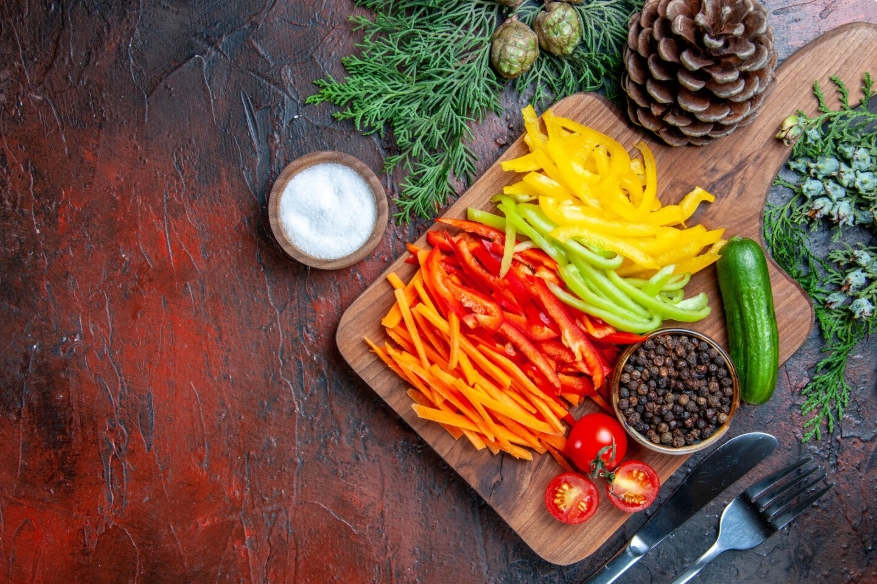
Eating healthy does not have to feel like homework. In fact, some of the best meals start with simple ingredients that are already in season. Fresh fruits and vegetables can add color, flavor, and variety without making your grocery bill explode.
You do not need fancy recipes or expensive kitchen gadgets either. A few smart shopping habits and easy meal ideas can help your family enjoy better food while making everyday cooking feel a little less like a chore.
Why Seasonal Food Tastes Better
Seasonal fruits and vegetables are harvested when nature says they are ready, not when a calendar or truck schedule demands it. That often means they taste sweeter, fresher, and have better texture. Think of a juicy watermelon in summer or crisp apples in the fall.
Another bonus is the price. When certain foods are in season, there is usually a larger supply, which can make them more affordable. Shopping by the season also adds variety, so dinner does not end up looking the same every single week.
Shop for Fresh Local Produce
Choosing fresh local produce is a simple way to enjoy fruits and vegetables that have not spent days traveling long distances. Since nearby-grown food often reaches stores or markets more quickly, it can arrive with better flavor and freshness.
Buying local food also supports nearby farmers and encourages communities to keep growing quality food. It does not have to make shopping more complicated, either. Picking up a few seasonal items during your regular grocery trip is an easy way to add healthier ingredients to family meals.
Plan Simple Weekly Meals
Planning meals around seasonal foods saves both time and money. Start with a simple breakfast, like oatmeal topped with fresh berries or sliced peaches. Lunch can include sandwiches with crunchy vegetables or a colorful salad that uses whatever is fresh that week.
Dinner can stay easy too. Roasted vegetables, pasta with fresh tomatoes, or homemade soup are great ways to use seasonal ingredients. Planning meals before shopping helps you buy only what you need, which means fewer forgotten vegetables hiding in the fridge like tiny science experiments.
Store Food Smarter
Good storage habits help fruits and vegetables stay fresh much longer. Leafy greens often last better in the refrigerator, while bananas and tomatoes usually do best on the counter until they are ready to eat. A little attention goes a long way.
One common mistake is washing everything as soon as you get home. Keeping older fruits and vegetables at the front of the fridge also reminds everyone to use them first instead of discovering them weeks later with a puzzled expression.
Make Healthy Eating Fun
Healthy eating becomes much easier when it feels enjoyable instead of forced. Try building colorful plates with fruits and vegetables in different shades. Kids often become more interested when meals look bright and cheerful. Even adults cannot resist a rainbow on a dinner plate.
Another fun idea is choosing one new seasonal ingredient every week and finding a simple recipe to try together. It turns dinner into a little adventure instead of another routine meal. Small changes like these help families build healthier habits.