
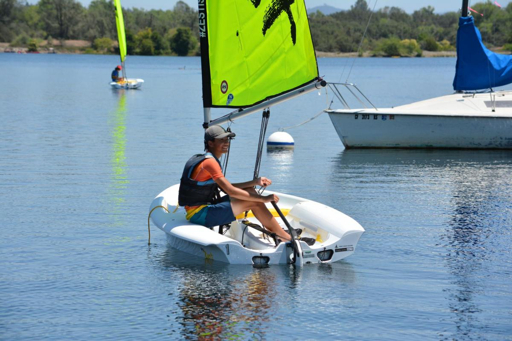
Learning in a dinghy, joining a yacht as crew and preparing to skipper a cruising boat are different routes onto the water. These Plymouth schools and training organisations cover those distinctions. Their numbering is not a tested ranking, and confidence is not a substitute for demonstrated skills. Choose the vessel, course and level that fit your starting point, then confirm current training recognition and the practical arrangements.
Keep general reading through Wave of Thoughts stories separate from the course booking. Explain the experience you already have and what you want to do after training.
1. Plymouth Sailing School
Plymouth Sailing School operates from Turnchapel Wharf and is part of the SeaRegs training group. Its own yacht-training page lists Start Yachting, Competent Crew and more advanced sail courses. That makes it the cruising-yacht route in this selection, not a second independent listing for SeaRegs under another name.
Ask which course fits the actual experience rather than select by the certificate you eventually want. A beginner wishing to become useful crew and an aspiring skipper need different preparation. Confirm prerequisites, course conditions and the boat used before paying.
2. Mount Batten Centre
Mount Batten Centre is on Lawrence Road and publishes dinghy training for juniors and adults. The Royal Yachting Association directory lists beginner levels, progressive skills and youth stages. Its own information also advertises private tuition, making it relevant to both a first introduction and targeted skills work.
Ask how the group is organised and what equipment is supplied. A dinghy course involves a different learning environment from staying aboard a cruising yacht. Discuss water confidence, physical access and weather arrangements so the proposed session is appropriate rather than merely the earliest available place.
3. Plymouth Youth Sailing
Plymouth Youth Sailing is listed by the RYA at the Mount Batten Centre, with adult dinghy levels and youth sailing stages. Sharing the site does not make the club and the centre interchangeable organisations, so confirm who runs and takes payment for the selected course.
Ask about membership, joining and current age groups. A club-based route can be relevant where continued participation matters after an introductory course. Find out what opportunities actually follow rather than assume completing a short course automatically provides a boat, a regular sailing place or supervision whenever desired.
4. Plymouth and Devon Schools Sailing Association
Plymouth and Devon Schools Sailing Association is listed on Madeira Road as a sailing-training organisation. Its documented history includes school and youth participation, with earlier accounts also mentioning adult learning. Confirm the present eligibility and programme rather than interpret the name or an old review as current availability.
Explain whether you are enquiring for an individual, school or group. Ask about the boat type, instruction and equipment for that booking. A community-learning route should still have a defined training plan and clear arrangements for supervision, access and the next stage.
5. The Island Trust
The Island Trust’s current course-availability page describes youth sail-training voyages and adult RYA practical training, with voyages starting and finishing in Plymouth unless otherwise stated. Its published adult options include Competent Crew, Day Skipper, Coastal Skipper and Yachtmaster preparation.
This is a voyage-based option, not an assumption of an hourly lesson at a permanently open counter. Ask about the actual boat, departure point, accommodation and prerequisites. Clarify whether the chosen trip is a training course, experience-building voyage or assessment preparation, because each serves a different purpose.
Choose sailing schools in Plymouth by the next real skill
For a hypothetical Plymouth newcomer, the aim is joining friends safely as crew, not taking charge of the yacht immediately. Ask for the course that develops that role. Think of the training route like learning to work in a kitchen: being useful in a team and managing the whole operation are related but different responsibilities.
A feature on Keep Scrolling Now articles cannot verify recognition for the specific course. Check the relevant training-body record and ask about instructor arrangements. A school offering sail and power training should make clear which discipline you are booking.
General content through Tell It Daily reading is not an equipment or health briefing. Discuss clothing, buoyancy equipment, medical information, access and swimming or water-confidence requirements with the provider. Follow the instructor’s safety directions and ask what happens when conditions prevent the planned activity.
Reading Content Drop Daily stories should remain separate from comparing costs. Include accommodation, meals, equipment, assessment and travel where relevant. Confirm weather, cancellation and rescheduling terms, and do not assume an old course calendar is forthcoming availability. Request feedback and next-step guidance rather than treat attendance as automatic evidence that every competency has been achieved.
FAQs
Are dinghy and yacht courses interchangeable?
No. Ask the school which pathway matches the boat and role you intend to pursue.
Must I own a boat first?
Ask what the specific course supplies. The boat, equipment and accommodation arrangement should be clear before booking.
Does completing a course guarantee a certificate?
Confirm the assessment and completion requirements. Attendance and demonstrated competence should not be treated as identical.
Can my child join an adult course?
Check the programme’s actual age and supervision requirements. Do not assume an adult place can be substituted for an age-appropriate youth course.
Book the pathway before the certificate
Choose two Plymouth providers offering the vessel and level you need. Compare prerequisites, practical time and the full arrangements. Confirm recognition, departure details and weather terms before paying, then use the instructor’s feedback to decide what further practice is needed.