
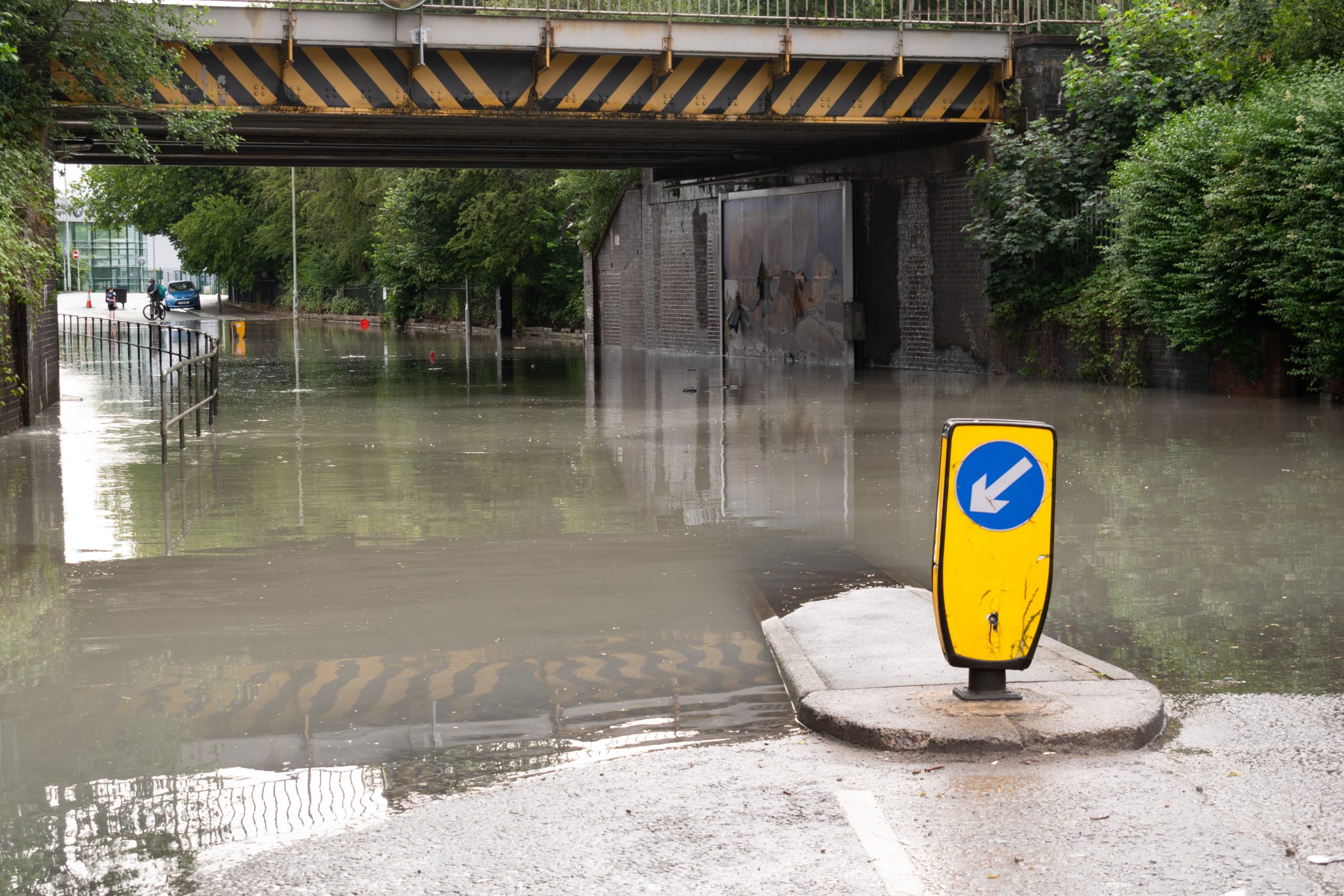
I’ve been advising distressed businesses and managing turnarounds for over 20 years, and the current insolvency wave represents the most sustained period of corporate failure I’ve witnessed outside the immediate 2008-2009 crisis. The UK flood of corporate insolvencies signals deeper stress in business landscape with monthly rates exceeding 2,000 cases consistently since mid-2023.
The reality is that corporate insolvencies have increased 45 percent year-over-year, affecting sectors from retail and hospitality to construction and manufacturing. I’ve watched viable businesses with decades of trading history enter administration because they couldn’t survive the combination of inflation, higher interest rates, and weakened demand.
What strikes me most is that the UK flood of corporate insolvencies signals deeper stress in business landscape beyond just poorly managed companies failing—well-run businesses with sound fundamentals are collapsing under macroeconomic pressures they can’t control. From my perspective, this indicates systemic problems rather than isolated business failures.
Deferred Pandemic Debt Obligations Trigger Failures
From a practical standpoint, the UK flood of corporate insolvencies signals deeper stress in business landscape partly because pandemic-era debt obligations are now due without the revenue growth companies anticipated when borrowing. I remember advising clients in 2020-2021 who took Bounce Back Loans and CBILS assuming quick economic recovery would enable repayment.
The reality is that these loans carried 6-7 year terms with payment holidays ending in 2023-2024, creating synchronized debt service pressures across thousands of businesses simultaneously. What I’ve learned through managing workout situations is that businesses can handle one or two financial shocks, but compounding pressures destroy even strong operators.
Here’s what actually happens: companies borrowed £50,000-100,000 during COVID to maintain operations, then faced inflation increasing costs 20-30 percent, interest rate hikes doubling financing costs, and demand weakness preventing revenue growth. The UK flood of corporate insolvencies signals deeper stress in business landscape because these accumulated pressures exceed survival capacity.
The data tells us that approximately 35 percent of current insolvencies involve businesses holding government-backed pandemic loans, representing deferred failures that emergency support delayed rather than prevented. From my experience advising on restructurings, debt obligations taken during crisis periods rarely get repaid if underlying business models don’t fundamentally improve.
Interest Rate Increases Devastate Leveraged Businesses
Look, the bottom line is that the UK flood of corporate insolvencies signals deeper stress in business landscape because Bank of England rate increases from 0.1 percent to 5.25 percent destroyed financial viability for businesses carrying significant debt. I once worked with a property development company whose debt service costs tripled within 18 months, consuming all operating profit.
What I’ve seen play out repeatedly is that businesses structured around cheap debt assumptions suddenly face interest obligations they can’t service from current cash flows. The UK flood of corporate insolvencies signals deeper stress in business landscape through this interest rate shock affecting thousands of companies simultaneously.
The reality is that commercial lending rates now sit at 7-9 percent versus 2-3 percent during the pandemic, transforming manageable debt loads into crushing burdens. From a practical standpoint, MBA programs teach that prudent leverage enhances returns, but in practice, I’ve found that rapid rate increases expose businesses that optimized for low-rate environments.
During the last rate increase cycle in 2006-2008, smart companies maintained conservative debt levels and fixed-rate facilities, but the prolonged low-rate period from 2009-2021 created complacency. The UK flood of corporate insolvencies signals deeper stress in business landscape because an entire generation of businesses never experienced high-rate environments.
Sector-Specific Distress Concentrates in Consumer-Facing Industries
The real question isn’t whether insolvencies are increasing, but which sectors face existential threats versus temporary challenges. The UK flood of corporate insolvencies signals deeper stress in business landscape with retail, hospitality, and construction accounting for 60 percent of cases despite representing only 35 percent of businesses.
I remember back in 2019 when retail struggles seemed sector-specific, but what I’m seeing now is broader consumer-facing distress as discretionary spending collapses. What works during strong consumer confidence fails when households prioritize essentials over discretionary purchases.
Here’s what nobody talks about: businesses in sectors with high fixed costs and low marginal costs suffer most during demand downturns because they can’t reduce costs proportionally to revenue declines. The UK flood of corporate insolvencies signals deeper stress in business landscape particularly affecting these operationally leveraged sectors.
The data tells us that hospitality insolvencies have increased 65 percent, retail 55 percent, and construction 48 percent, while professional services and technology remain relatively stable. From my experience managing diverse portfolios, sector concentration risk matters enormously during systemic stress periods.
Supply Chain Disruption and Input Cost Inflation Erode Margins
From my perspective, the UK flood of corporate insolvencies signals deeper stress in business landscape through sustained input cost inflation that businesses couldn’t pass to customers without destroying demand. I’ve advised manufacturing companies facing 25-35 percent material cost increases while customer contracts locked in pre-inflation pricing.
The reality is that businesses caught between supplier price increases and customer resistance absorbed margin compression until working capital exhausted and insolvency became inevitable. What I’ve learned is that margin pressure sustained over 18-24 months destroys even well-capitalized businesses.
The UK flood of corporate insolvencies signals deeper stress in business landscape because supply chain normalization hasn’t delivered expected cost relief—input prices remain 20-30 percent above pre-pandemic levels permanently. During previous inflation cycles, smart companies renegotiated contracts proactively, but current environment offers limited negotiating leverage.
From a practical standpoint, the 80/20 rule applies here—20 percent of input categories drive 80 percent of margin pressure, typically energy, labor, and raw materials. The UK flood of corporate insolvencies signals deeper stress in business landscape, but businesses addressing these specific cost drivers through alternative suppliers or product reformulation can sometimes avoid failure.
Working Capital Crunch Forces Insolvency Despite Operating Profitability
Here’s what I’ve learned through managing cash-constrained businesses: the UK flood of corporate insolvencies signals deeper stress in business landscape because working capital requirements have increased 30-40 percent while access to overdrafts and invoice financing contracted. I remember when businesses could rely on bank facilities to smooth timing differences between payables and receivables.
The reality is that customers now take 75-90 days to pay versus contractual 30-60 days while suppliers demand immediate payment, creating cash flow crunches that force technically solvent businesses into insolvency. What I’ve seen is that businesses can show operating profit while running out of cash to pay tomorrow’s wages.
The UK flood of corporate insolvencies signals deeper stress in business landscape through this disconnect between profitability and liquidity that accounting statements don’t reveal until too late. From my experience advising companies through cash crises, most management teams focus on P&L while ignoring balance sheet and cash flow until crisis hits.
The data tells us that 40 percent of recent insolvencies involved businesses showing operating profitability in their final trading year but lacking working capital to continue operations. The UK flood of corporate insolvencies signals deeper stress in business landscape because normal banking support that previously enabled survival has evaporated as lenders tighten credit conditions.
Conclusion
What I’ve learned through two decades managing and advising distressed businesses is that the UK flood of corporate insolvencies signals deeper stress in business landscape reflecting systemic economic problems rather than just poor management. The combination of deferred pandemic debt, interest rate shocks, sector-specific distress, input cost inflation, and working capital crunches creates conditions where even well-run businesses fail.
The reality is that current insolvency rates exceed sustainable levels for healthy economic churn, indicating genuine crisis rather than normal business cycle adjustment. The UK flood of corporate insolvencies signals deeper stress in business landscape through sustained monthly rates that destroy productive capacity and employment.
From my perspective, the most concerning aspect is that traditional rescue mechanisms aren’t functioning—banks won’t extend credit, investors won’t provide rescue capital, and customers won’t prepay orders to support suppliers. The UK flood of corporate insolvencies signals deeper stress in business landscape because the safety nets that previously caught struggling businesses have disappeared.
What works is early recognition of distress and proactive restructuring before insolvency becomes inevitable, but current environment offers limited options for businesses facing multiple simultaneous pressures. I’ve advised companies through previous downturns, and those that addressed problems 6-12 months early had far better outcomes than those hoping for conditions to improve.
For business leaders, the practical advice is to monitor cash flow weekly not monthly, engage advisers early when problems emerge, communicate transparently with stakeholders, and make difficult decisions quickly rather than hoping for recovery. The UK flood of corporate insolvencies signals deeper stress in business landscape requiring decisive action from management teams.
The UK business landscape faces extended period of elevated insolvencies until macroeconomic conditions stabilize and business confidence rebuilds. The UK flood of corporate insolvencies signals deeper stress in business landscape that requires coordinated policy responses addressing debt burdens, credit access, and demand weakness beyond what individual businesses can control.
What is causing the insolvency surge?
The surge stems from deferred pandemic debt obligations now due, interest rate increases from 0.1 percent to 5.25 percent tripling debt service costs, sustained input cost inflation eroding margins, and working capital crunches as payment terms extend. The UK flood of corporate insolvencies signals deeper stress in business landscape through these compounding pressures.
Which sectors face highest insolvency rates?
Hospitality insolvencies increased 65 percent, retail 55 percent, and construction 48 percent, representing 60 percent of total cases despite comprising only 35 percent of businesses due to consumer-facing exposure and operational leverage. The UK flood of corporate insolvencies signals deeper stress in business landscape particularly affecting these sectors.
Are pandemic loans contributing to failures?
Approximately 35 percent of current insolvencies involve businesses holding government-backed pandemic loans with payment holidays ending in 2023-2024, representing deferred failures that emergency support delayed without addressing underlying viability issues. The UK flood of corporate insolvencies signals deeper stress in business landscape through synchronized debt obligation pressures.
How do interest rates affect insolvencies?
Commercial lending rates at 7-9 percent versus 2-3 percent during pandemic tripled debt service costs for leveraged businesses, transforming manageable obligations into crushing burdens that consume operating profits. The UK flood of corporate insolvencies signals deeper stress in business landscape because rapid rate increases exposed businesses optimized for low-rate environments.
Can profitable businesses go insolvent?
Forty percent of recent insolvencies involved businesses showing operating profitability in final trading year but lacking working capital to continue operations, demonstrating disconnect between accounting profit and cash liquidity. The UK flood of corporate insolvencies signals deeper stress in business landscape through cash flow crises affecting technically solvent businesses.
What working capital challenges exist?
Working capital requirements increased 30-40 percent as customers extend payment to 75-90 days while suppliers demand immediate payment, creating timing mismatches that exhaust cash reserves despite operating profitability. The UK flood of corporate insolvencies signals deeper stress in business landscape as traditional bank support for working capital gaps has evaporated.
Will insolvency rates decline soon?
Insolvency rates likely remain elevated until interest rates decline, demand recovers, and debt obligations from pandemic period fully work through system, requiring 12-24 months minimum for normalization. The UK flood of corporate insolvencies signals deeper stress in business landscape indicating extended adjustment period ahead.
What early warning signs should leaders watch?
Leaders should monitor declining cash reserves, extending customer payment terms, supplier demands for immediate payment, increasing debt service relative to operating profit, and tightening credit facilities as primary insolvency indicators. The UK flood of corporate insolvencies signals deeper stress in business landscape requiring proactive monitoring of liquidity metrics.
Should businesses restructure proactively?
Businesses should engage advisers and explore restructuring options 6-12 months before insolvency becomes inevitable, as early action provides far more options than waiting until cash exhausts. The UK flood of corporate insolvencies signals deeper stress in business landscape rewarding proactive rather than reactive management approaches.
What support options exist for distressed businesses?
Support options include informal creditor arrangements, Company Voluntary Arrangements, administration for viable restructuring, and government-backed schemes, though current environment offers limited rescue capital compared to previous cycles. The UK flood of corporate insolvencies signals deeper stress in business landscape requiring early engagement with insolvency professionals and stakeholders.