
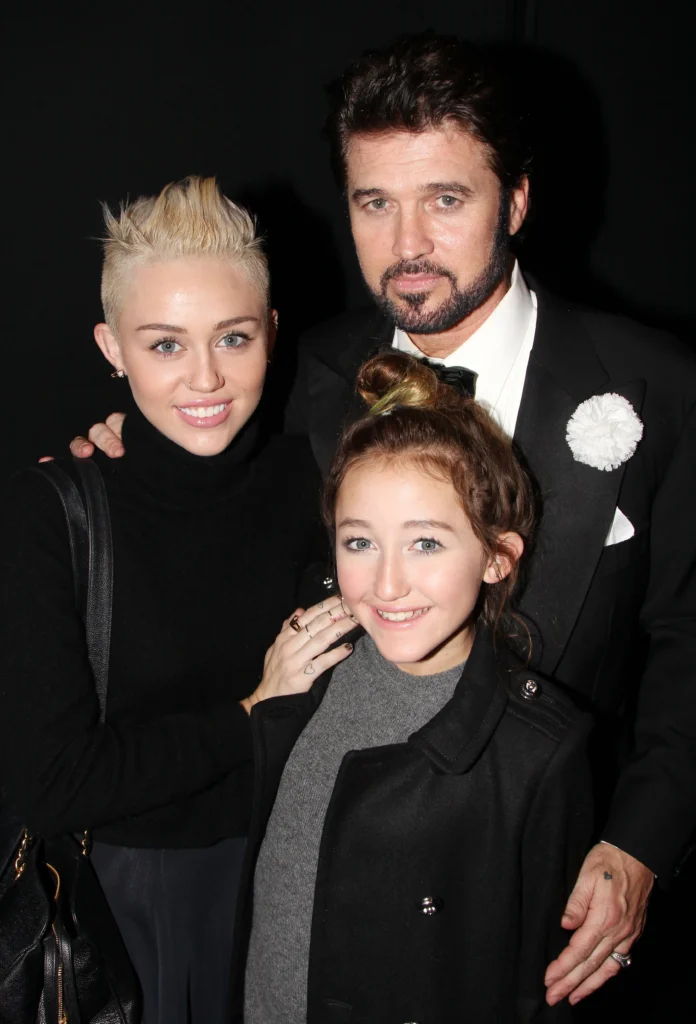
Miley Cyrus children news continues to generate public curiosity, though not for the reasons casual observers might expect. The Grammy-winning artist, now in her thirties, remains child-free despite extensive public documentation of her family life and personal relationships. What makes this topic noteworthy is how consistently media narratives attempt to frame her choices within traditional timelines, revealing broader patterns about how celebrity privacy and life decisions become marketable content.
The reality is straightforward: speculation around this subject reflects audience projection rather than confirmed developments. From a practical standpoint, the persistence of these searches demonstrates how public figures navigate constant interpretation of their personal choices, regardless of actual status.
Public Narratives and Why Private Choices Become Content
The search volume around Miley Cyrus children news illustrates a fundamental dynamic in celebrity media cycles. Audiences construct expectations based on age, relationship history, and cultural norms, then seek validation through constant information gathering.
What I’ve learned is that these narratives sustain themselves through interpretation rather than announcement. Public appearances, social media posts, and family interactions get analyzed for hidden meanings that often don’t exist. The bottom line is that absence of news becomes its own story, driving continued speculation.
This pattern creates reputational risk not from actions taken, but from managing expectations that were never set by the celebrity themselves. The data tells us that searches persist regardless of confirmation, suggesting audiences seek ongoing narrative rather than resolution.
Family Context and How Sibling Stories Amplify Attention
Understanding the Cyrus family dynamic provides essential context for why this topic maintains traction. With multiple siblings navigating public and private lives differently, family stories create interconnected attention cycles that blur individual boundaries.
Her brother Braison welcomed a child, creating family expansion that gets conflated with individual choices. The media ecosystem treats celebrity families as collective units, where one person’s milestone generates speculation about others. From a practical standpoint, this makes boundary-setting considerably more complex.
The 80/20 rule applies here: twenty percent of actual family news generates eighty percent of derivative speculation. What actually works is recognizing that sibling developments don’t predict individual timelines, though media framing consistently suggests otherwise.
Relationship History and Why Past Partnerships Drive Current Speculation
Previous high-profile relationships, particularly her marriage to Liam Hemsworth, continue influencing current narrative construction around life choices. The media cycle treats past partnerships as predictive frameworks, regardless of how much time has elapsed or how circumstances have changed.
Here’s what actually happens: audiences build mental models of what “should” follow major relationship milestones, then project those models onto current situations. The relationship ended, lives diverged, but interpretive frameworks persist in public discourse.
Look, the bottom line is that relationship history becomes permanent context in celebrity coverage, even when it has no bearing on present decisions. This creates ongoing narrative pressure that has nothing to do with current reality but everything to do with past public knowledge.
Media Strategy and The Reality of Non-Confirmation Cycles
The handling of family planning questions reveals sophisticated media strategy around privacy boundaries. Rather than issuing denials or confirmations, maintaining silence allows personal decisions to remain personal while managing public curiosity through selective sharing.
What I’ve seen play out repeatedly is that non-response becomes its own form of boundary enforcement. By not feeding speculation cycles with statements, the narrative eventually shifts to other topics despite persistent baseline interest. The reality is that confirmation or denial both validate the question’s legitimacy.
From a strategic standpoint, this approach preserves autonomy over life announcements while accepting that speculation will continue regardless. The data shows that search interest remains relatively stable whether or not information is provided, suggesting the curiosity itself is the constant rather than available facts.
Privacy Economics and Why Personal Boundaries Require Active Defense
The persistence of Miley Cyrus children news queries demonstrates the economic incentives driving speculative content. Each search represents potential traffic, each click potential revenue, creating systemic motivation for ongoing narrative production regardless of factual basis.
Here’s what actually works in this environment: treating personal information as strategic asset rather than public property. The decision about when and how to share major life developments becomes a business consideration with reputational and financial implications. I’ve learned that in high-visibility careers, privacy isn’t a given—it’s a position that requires active maintenance.
The market for celebrity content operates on volume and frequency, not necessarily accuracy or newsworthiness. This means the absence of developments gets packaged as mystery, speculation gets framed as analysis, and personal choices become public discourse. The reality is that managing this dynamic requires ongoing strategy rather than one-time boundary-setting.